
How Betting Odds Work – Decimal, Fractional & American Explained

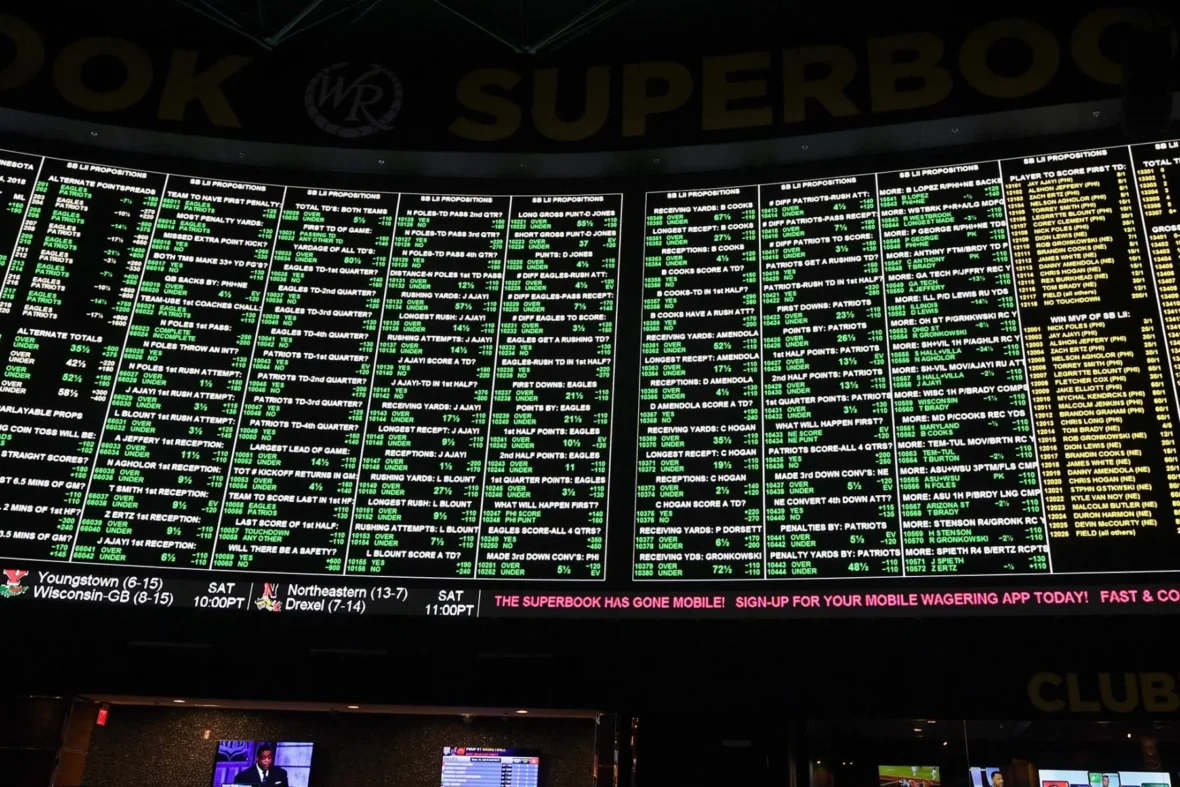
Understanding betting odds is the foundation of smart and informed betting. Whether you place bets with global brands like Bet365, 1xBet, 22Bet, 20Bet or Ivibet, the numbers you see on your screen are not just random figures. They represent how likely something is to happen and how much you can win if your bet is successful.
In this guide, we explain how betting odds work, how each odds format is calculated, and how to use them to make better betting decisions.
1. What Are Betting Odds?
Betting odds express two main things at the same time:
- how much you can win if your bet is successful
- how likely the bookmaker thinks the outcome is
Bookmakers such as Bet365, 20Bet or 22Bet use odds to balance their risk and to make sure that, in the long run, they stay profitable. For bettors, odds are the basic tool to compare markets, evaluate value and decide whether a bet is worth taking or not.
2. Why Do Odds Matter?
Learning how odds work is not just theory. It has a direct impact on your results. When you understand odds, you can:
- calculate potential winnings quickly and accurately
- compare different bookmakers and spot better prices
- understand when odds are too low or too high
- see how big the bookmaker’s margin is
- recognise value bets where the odds are better than they should be
- avoid common mistakes made by beginners
In simple words: the more you understand odds, the less „random” your betting becomes.
3. The Three Main Odds Formats
Around the world, three formats are used most commonly:
- Decimal odds – popular in Europe, Canada, Brazil, Australia and most of the world
- Fractional odds – traditional format in the UK and Ireland
- American odds – used mainly in the United States
All three formats describe the same thing – the relationship between risk and reward – but they do it in a different visual way.
4. Decimal Odds
Decimal odds are the simplest format for most people and are used by almost all international bookmakers, including Bet365, 1xBet, 22Bet, 20Bet and Ivibet.
Decimal odds show you the total return for every one unit you stake. This total return already includes your original stake.
- If the odds are 2.00, you get back 2 units for every 1 unit staked.
- If the odds are 1.80, you get back 1.8 units for every 1 unit staked.
- If the odds are 3.50, you get back 3.5 units for every 1 unit staked.
To calculate your total payout with decimal odds, you simply multiply your stake by the odds.
For example:
- Stake: €10
- Odds: 2.00
- Total payout: 10 × 2.00 = €20
- Profit (winnings): €20 – €10 = €10
Another example:
- Stake: €20
- Odds: 1.50
- Total payout: 20 × 1.50 = €30
- Profit: €30 – €20 = €10
This is why decimal odds are considered the most user-friendly format, especially for new bettors.
5. Fractional Odds
Fractional odds are mostly used in the UK and Ireland, especially in horse racing and by traditional high-street bookmakers.
Fractional odds show you the profit relative to your stake, not the total payout.
For example:
- Odds 5/1 („five to one”) mean that you win 5 units for every 1 unit staked.
- Odds 1/2 („one to two”) mean that you win 1 unit for every 2 units staked.
If you bet €10 at odds of 5/1:
- Profit: 10 × 5 = €50
- Total payout: €50 profit + €10 stake = €60
If you bet €20 at odds of 1/2:
- Profit: 20 × (1 ÷ 2) = €10
- Total payout: €10 profit + €20 stake = €30
You can easily convert fractional odds to decimal odds by dividing the first number by the second and then adding 1.
For example:
- 5/1 → 5 ÷ 1 = 5 → 5 + 1 = 6.00 (decimal)
- 1/2 → 1 ÷ 2 = 0.5 → 0.5 + 1 = 1.50 (decimal)
- 11/4 → 11 ÷ 4 = 2.75 → 2.75 + 1 = 3.75 (decimal)
6. American Odds
American odds look very different. They use a plus sign (+) or minus sign (−):
- positive odds (for example +150)
- negative odds (for example −130)
They are built around a base stake of 100 units.
6.1 Positive American odds (underdogs)
Positive odds, such as +150, tell you how much profit you would make from a 100-unit stake.
- Odds +150 mean: if you stake 100, your profit is 150.
- Total payout: 100 stake + 150 profit = 250.
If your stake is different, you just scale it:
- Stake: 50
- Odds: +150
- Profit: 50 × 1.5 = 75
- Total payout: 75 + 50 = 125
6.2 Negative American odds (favourites)
Negative odds, such as −130, tell you how much you must stake to win 100 units.
- Odds −130 mean: you must stake 130 to win 100 profit.
- Total payout would be 230 (130 stake + 100 profit).
If your stake is, for example, 65:
- Stake: 65
- Odds: −130
- You are staking half of 130, so your profit is half of 100 = 50
- Total payout: 65 + 50 = 115
7. Converting Between Odds Formats
Because all formats describe the same thing, you can convert them into each other. In praktyce:
- from fractional to decimal: divide the first number by the second and add 1
- from decimal to fractional: subtract 1, then turn the result into a fraction (for example 3.50 → 2.50 profit → 5/2)
- from American to decimal:
- for positive odds like +150: divide by 100 and add 1 (150 ÷ 100 = 1.5 → 1.5 + 1 = 2.50)
- for negative odds like −130: divide 100 by the absolute value of the odds (100 ÷ 130 ≈ 0.77), then add 1 (≈ 1.77)
In practice, most modern bookmakers (Bet365, 1xBet, 22Bet, 20Bet, Ivibet, etc.) allow you to switch formats in your account settings, so you rarely need to convert manually. However, understanding the conversion helps when you compare odds from different sources, tips or tools.
8. How Bookmakers Build Their Odds and Margin
Bookmakers do not simply convert real probabilities into odds. They also add a margin, sometimes called the „overround” or „house edge”.
If a football match had two perfectly equal teams, a „fair” decimal price for each side would be 2.00 (which means 50% implied probability). However, a bookmaker might offer 1.91 vs 1.91 instead.
The difference between the „fair” price and the actual price is the bookmaker’s margin.
Typical margins:
- popular football leagues pre-match: around 3–6%
- live betting: often 7–12%
- tennis and smaller sports: 6–10% or more
Comparing odds between bookmakers is one of the best ways to see who has lower margins and better value in the long run.
9. How to Turn Odds into Implied Probability
Every price offered by a bookmaker hides an implied probability. This is the probability that the bookmaker „assigns” to that outcome, including their margin.
For decimal odds, the implied probability is easy to see:
you divide 1 by the odds and then multiply by 100 to get a percentage.
Examples:
- odds 2.00 → 1 ÷ 2.00 = 0.50 → 50%
- odds 1.50 → 1 ÷ 1.50 ≈ 0.6667 → about 66.7%
- odds 4.00 → 1 ÷ 4.00 = 0.25 → 25%
For fractional odds, you first convert them to decimal and then do the same calculation.
For American odds, the easiest method is also to convert them to decimal and then to probability.
When you understand the implied probability behind odds, you can compare it with your own estimate and see whether the bet is attractive or not.
10. What Is Value Betting?
Value betting means betting when the odds offered by the bookmaker are higher than they should be according to your own estimate of probability.
Example:
- You analyse a match and believe Team A has a 60% chance to win.
- A 60% probability would correspond to decimal odds of around 1.67.
- The bookmaker, for example 22Bet or Bet365, offers odds of 2.00 on Team A.
The bookmaker’s implied probability is 50%, while your estimate is 60%. This difference is where value exists.
You will not win every such bet, but if your estimates are correct in the long term, betting only where you have value should produce profit over a large number of bets.
11. Why Odds Move (Line Movement)
Odds change all the time, especially in the hours before a match. This is called line movement. It is caused by several factors:
- new information (injuries, suspensions, weather, line-ups)
- strong betting volume on one side
- professional bettors and syndicates placing large bets
- automated trading systems readjusting prices
- changes in other related markets
If a lot of money comes in on one outcome, bookmakers shorten the price (lower odds) on that side and increase the odds on the opposite side to balance their risk.
Watching how odds move can help serious bettors understand how the market reacts and sometimes catch higher prices before they drop.
12. Common Mistakes Beginners Make with Odds
Many losing patterns in betting are directly connected to a poor understanding of odds. Typical mistakes include:
- betting only on favourites without checking whether the odds are too low
- assuming that low odds mean „safe bet”
- placing huge accumulator bets just because the combined odds are high
- not comparing prices between different bookmakers
- ignoring implied probability and margins
- chasing losses with bigger stakes instead of analysing value
The first step to avoiding these mistakes is to stop looking at odds only as „potential winnings” and start seeing them as probabilities and prices that you must evaluate.
13. Which Odds Format Should You Use?
In most cases, the choice of odds format is a matter of comfort:
- Decimal odds are usually best for beginners and are the global standard.
- Fractional odds are useful if you are used to the British style or follow horse racing tips from UK sources.
- American odds are popular in the US and can be handy if you mainly follow American sports.
Most modern betting sites (Bet365, 1xBet, 22Bet, 20Bet, Ivibet and many others) let you change the odds format in your profile settings, so you can always choose the version that feels most natural.
14. Summary
Betting odds are the basic language of sports betting. They tell you how much you can win and what probability the bookmaker assigns to each outcome. By understanding decimal, fractional and American odds, converting them into implied probability and comparing them with your own estimates, you move from guessing to informed decision-making.
You May Also Like
Value Betting Explained: How to Identify Profitable Odds and Beat the Market
Learn how to spot odds that offer real long-term value instead of simply backing favourites.
Expected Value (EV) in Sports Betting: How to Calculate It and Why It Matters
Understand how odds connect with probability and why EV is one of the key concepts for smart bettors.
Asian Handicap Betting Explained: Full Guide to AH Lines, Examples & Strategy
See how adjusted lines work and why understanding odds is essential when betting handicap markets.
Whether you bet at Bet365, 1xBet, 22Bet, 20Bet, Ivibet or any other bookmaker, mastering the logic behind odds is the first serious step towards smarter and more profitable betting.
 |
|  |
|  |
|  |
|  |
|  |
|  |
|  |
|  |
| 
